✔︎︎ Henckels Canada Shop ✔︎ Fast, Free Shipping Over C$99


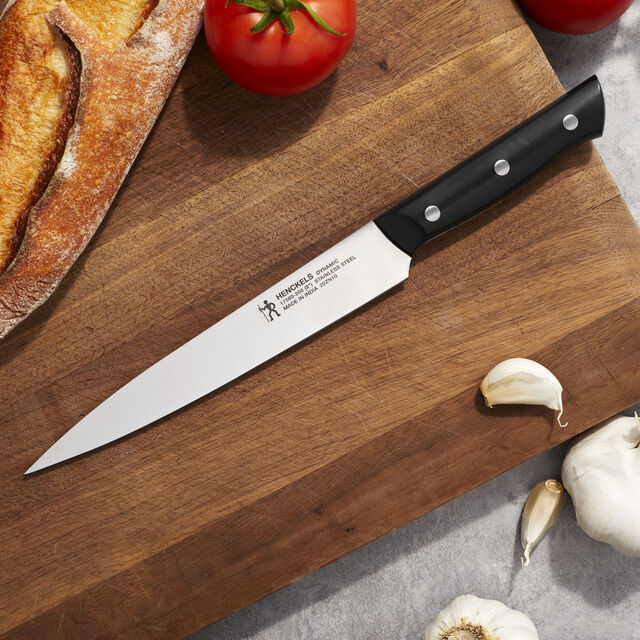
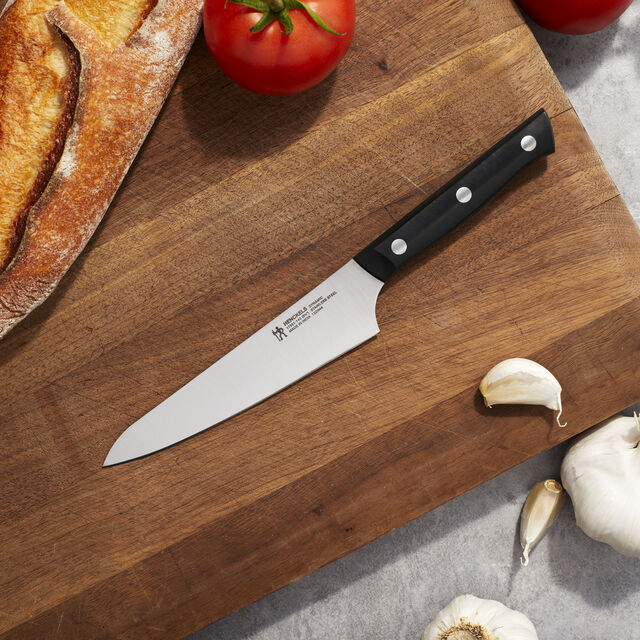
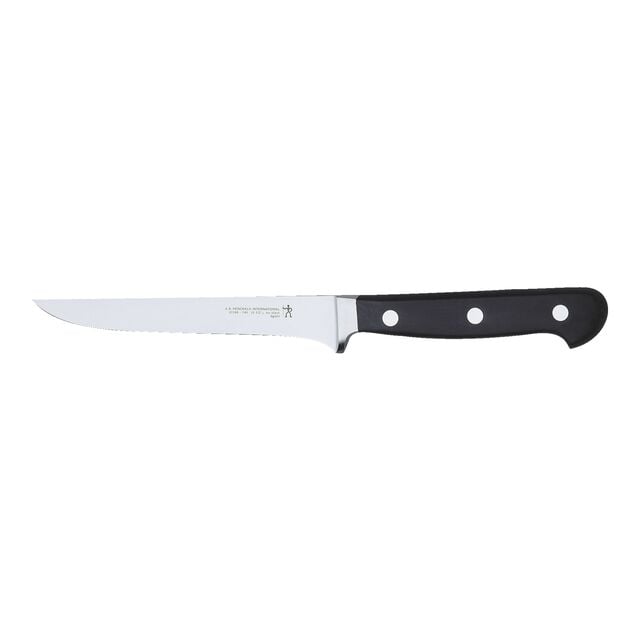
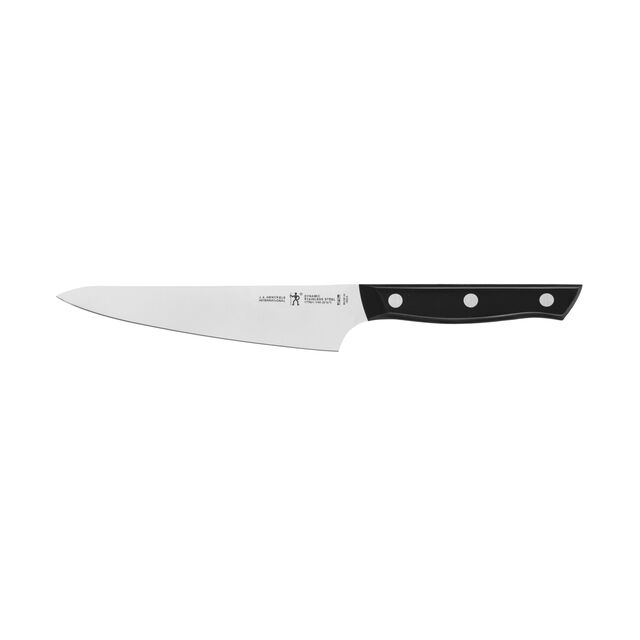
The Dynamic Boning Knife is perfect for separating meat from the bone, this slim, lightweight knife is easy to maneuver. Fabricated from high-quality stainless steel, single-piece, precision-stamped knives are lightweight without sacrificing strength and durability. The professional, satin-polished, fine-edge blade boasts superior sharpness. The ergonomic, traditional triple-riveted handle is comfortable to grip for fatigue-free cutting.
For a purchase value of C$99.
With full money back guarantee.
Visa, Mastercard, PayPal, Apple Pay, and more.
To access and view all customer reviews, please enable cookies. This helps us enhance your browsing experience by personalizing content and ensuring optimal functionality of our review section.
C$ 24.99
C$ 21.24
A boning knife is specifically designed for removing bones from meat, poultry, and fish with precision. It features a narrow, sharp edge and a pointed tip that allow for precise cuts close to the bone, minimizing waste and ensuring minimal damage to the surrounding meat. The flexible, often curved blade provides exceptional maneuverability to navigate around bones and connective tissue, making it essential for trimming meat and deboning tasks. Unlike a chef's knife, its narrower blade gives you more precise access around bones and joints. Both professional butchers and home cooks use boning knives for tasks such as trimming fat, filleting fish, and deboning chicken or larger cuts of meat. The ergonomically designed handle with a comfortable grip and non-slip grip ensures better control and safety during use, making it a professional-grade kitchen knife for efficient and safe meat preparation.
A boning knife and a fillet knife serve related but distinct purposes in the kitchen. A boning knife typically has a narrow blade that is sharp, often semi-flexible, and designed to work close to bones and joints on meat and poultry. It is sturdier and suited for heavier tasks like trimming fat and removing bones from beef, pork, and poultry. In contrast, a fillet knife features a thinner, more flexible blade ideal for delicate fish filleting and working with smaller pieces of meat or poultry, where it can finish the job on fish or very delicate work, while a boning knife remains the better choice for deboning meat. While both knives allow for precise cuts close to the bone, the flexible blade of a fillet knife provides more control for intricate tasks like skinning fish. Many chefs use boning knives for heavier deboning jobs and fillet knives for finer, more detailed work. Some users compare flexibility with other boning knives, but the right choice depends on whether you want more stiffness for meat or more flex for fish.
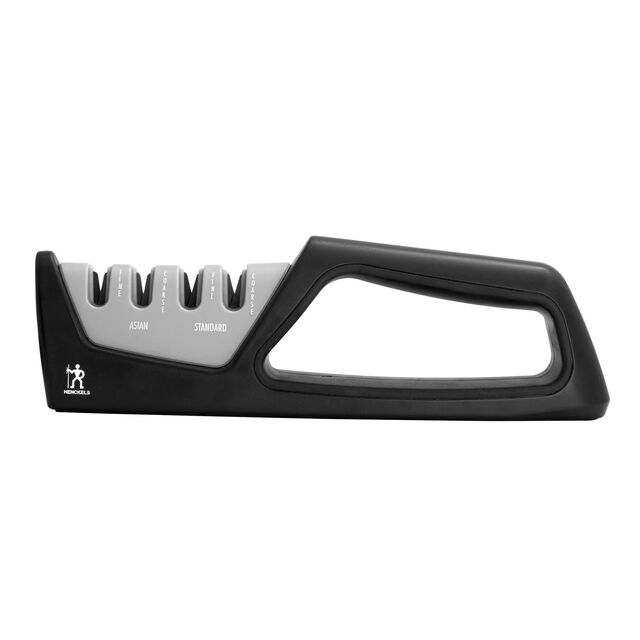
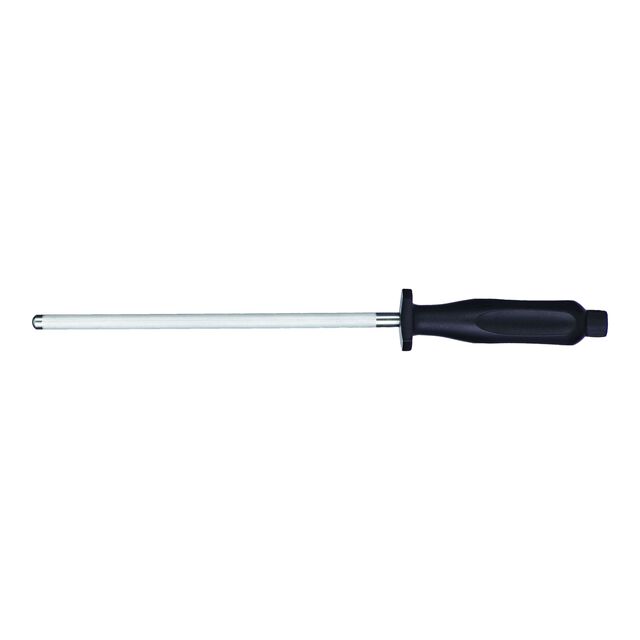
Maintaining a boning knife involves regular sharpening and proper cleaning to ensure its edge retention and durability. Use a sharpening stone or a professional knife sharpener to keep the steel blade razor sharp, which is crucial for safe and efficient cutting. After use, wash the knife by hand with mild soap and water, then dry it immediately to prevent corrosion. Avoid using the boning knife to chop through bones, as this can damage the blade. Store the knife in a protective sheath or knife block to preserve its sharp edge. Additionally, periodically check the handle for a secure grip and clean any textured or non-slip handle surfaces to maintain comfort and safety during use. Proper maintenance extends the life of your boning knife and ensures it performs well for precise slicing and deboning tasks.

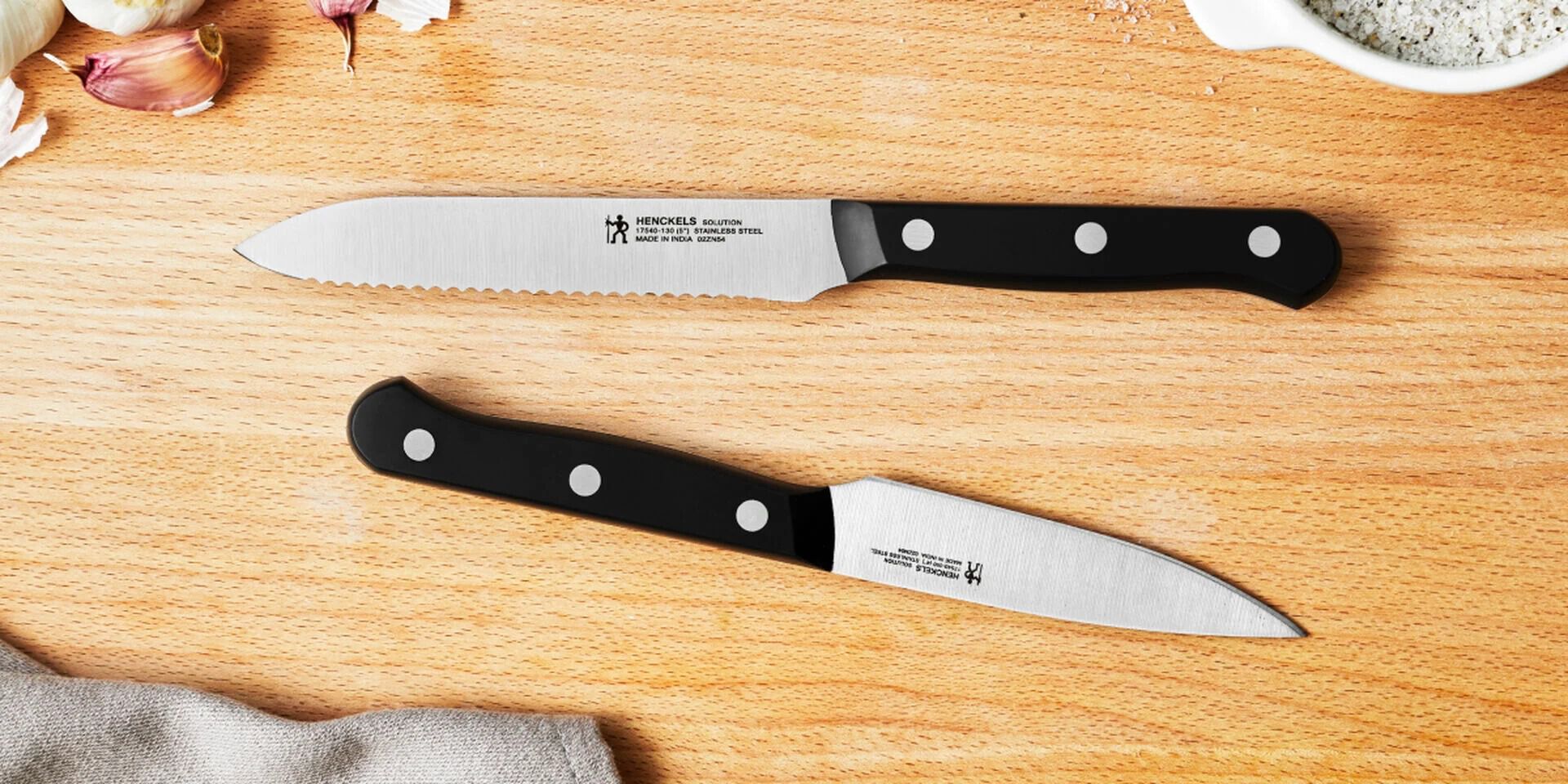
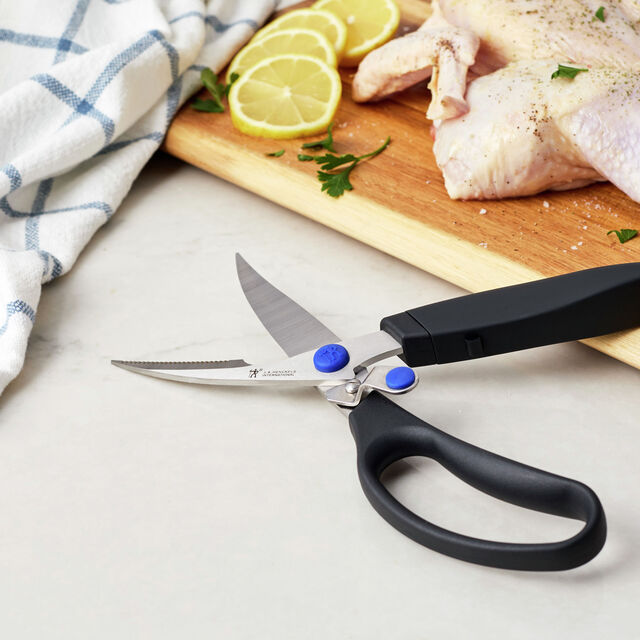
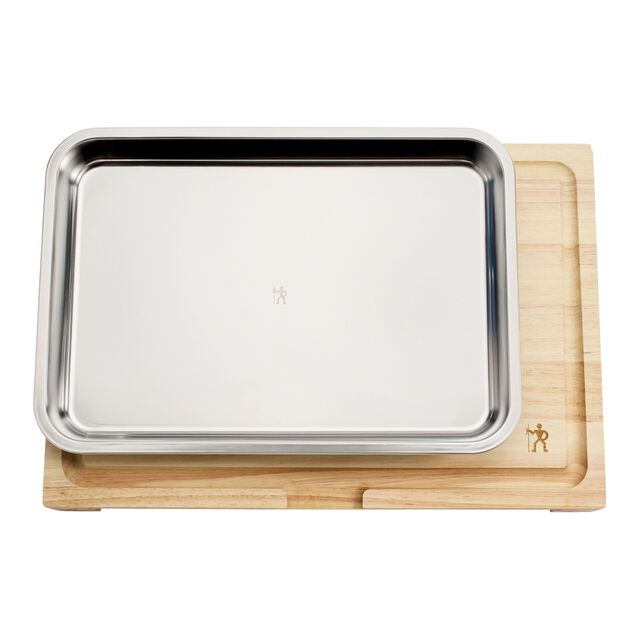
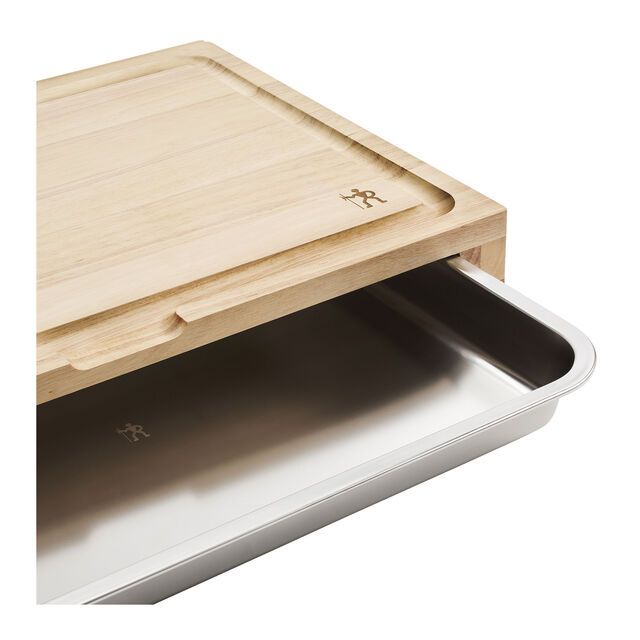
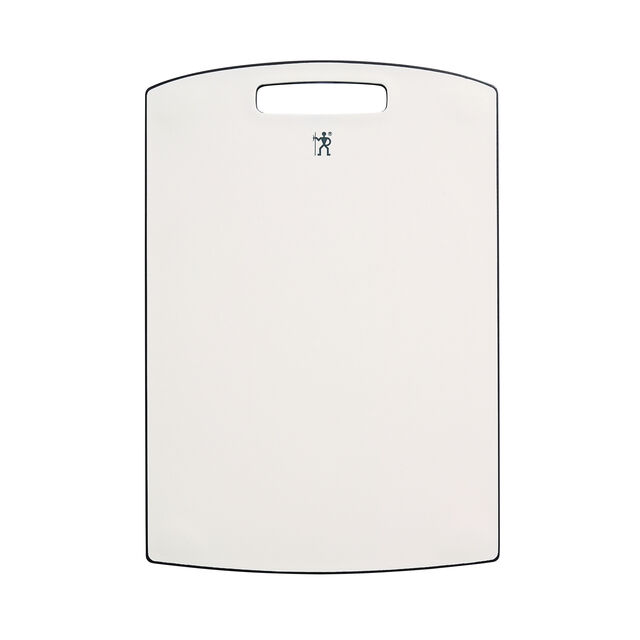
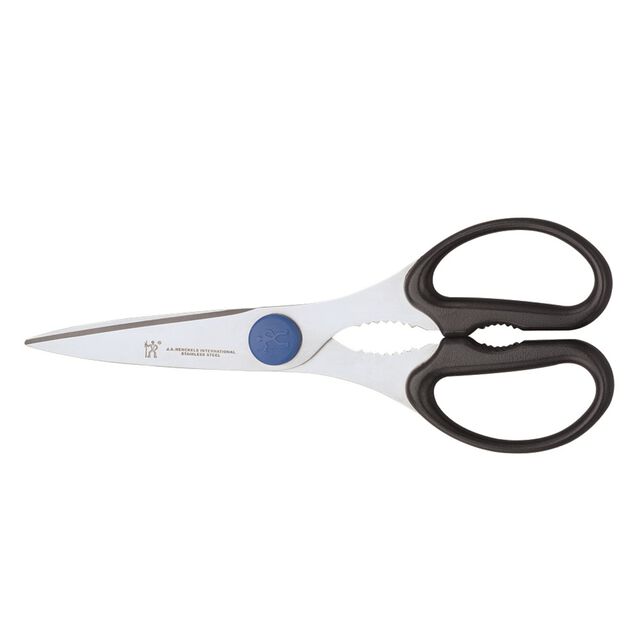
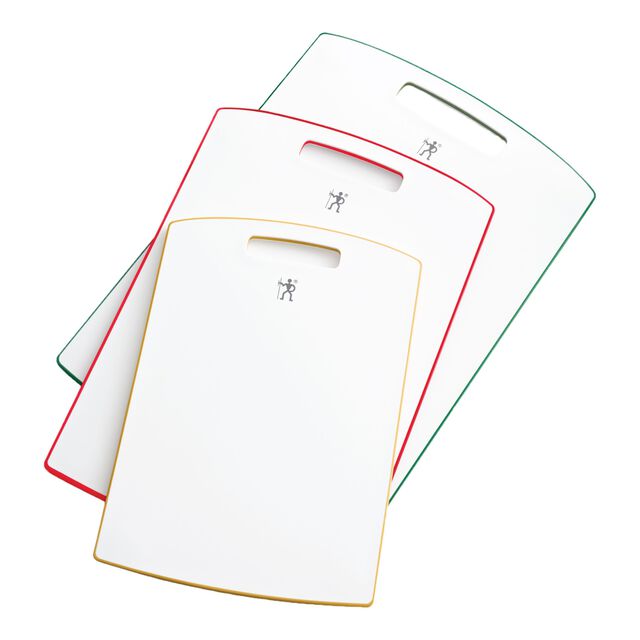
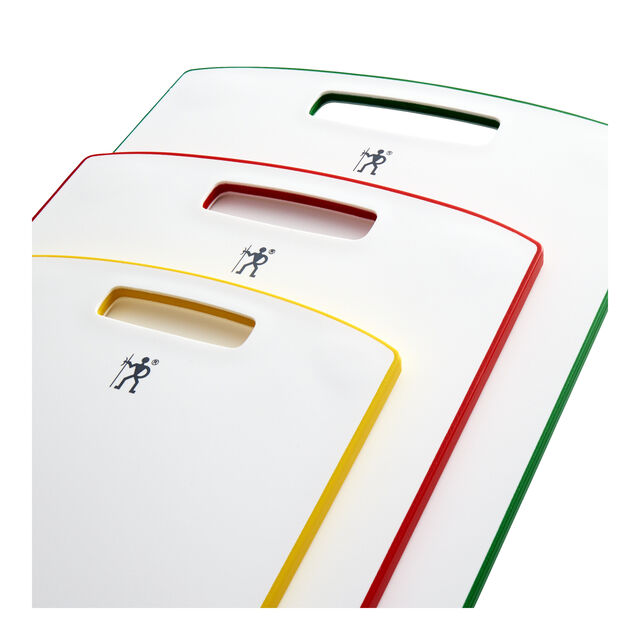
Since 1895, HENCKELS has made superior quality knives designed for effortless prepping. Equip your kitchen for less with this total kitchen prep solution that puts all your essential tools at your fingertips.
Since 1895, HENCKELS has made superior quality knives designed for effortless prepping. Equip your kitchen for less with this total kitchen prep solution that puts all your essential tools at your fingertips.

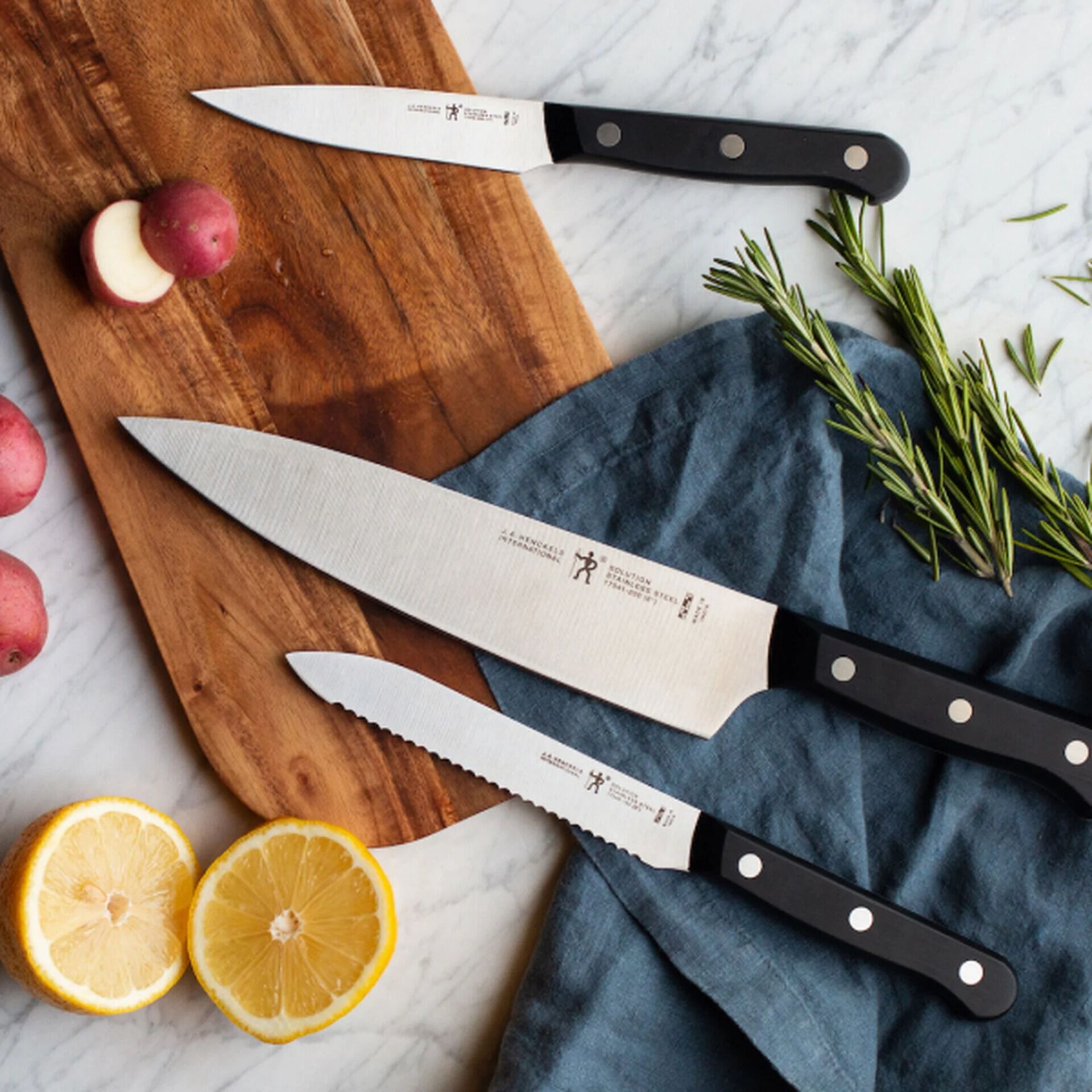
High quality stainless-steel knives offer professional-level sharpness that ensures precision cutting.

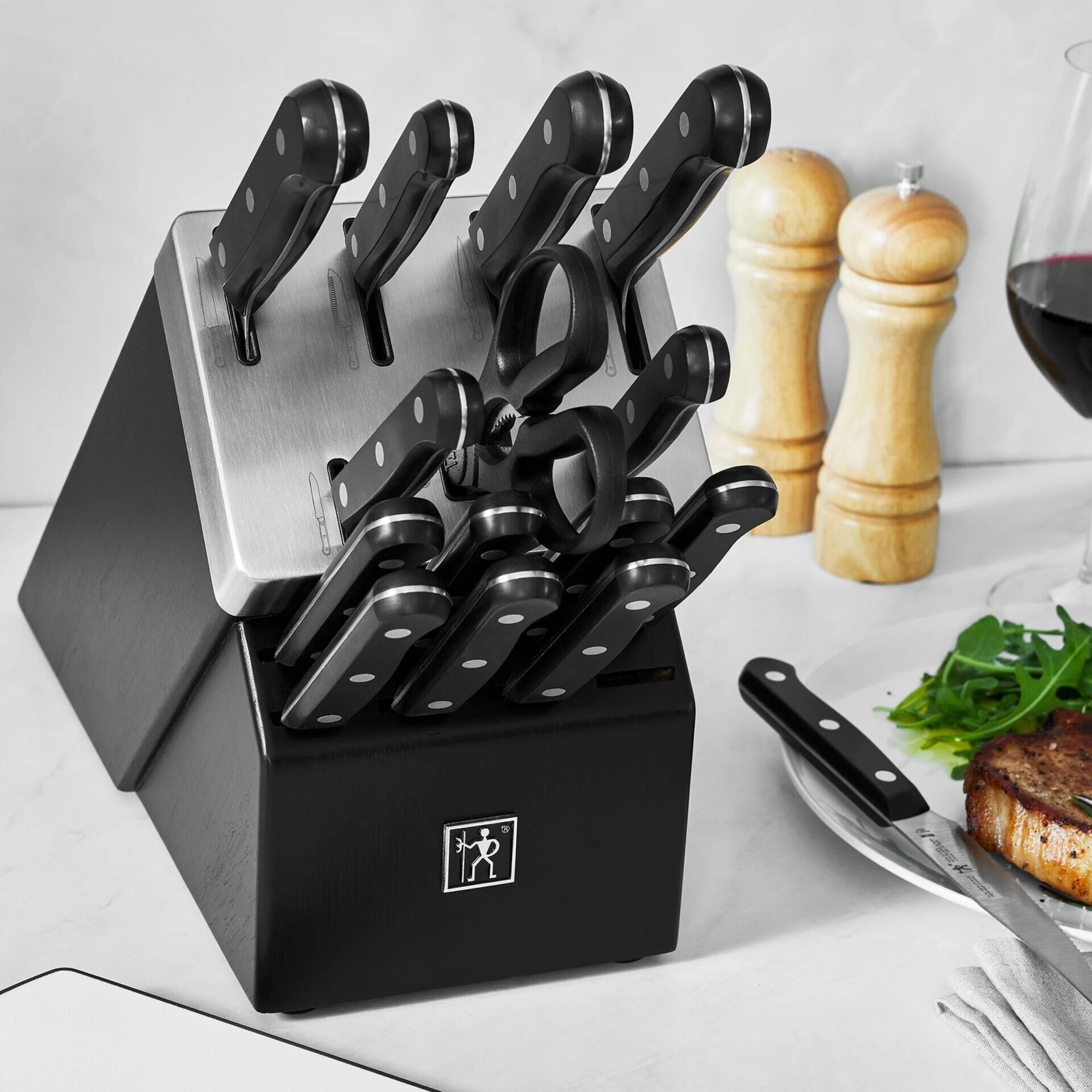
Lightweight, precision-stamped knives start out razor-sharp and stay sharper longer, even with minimal care.

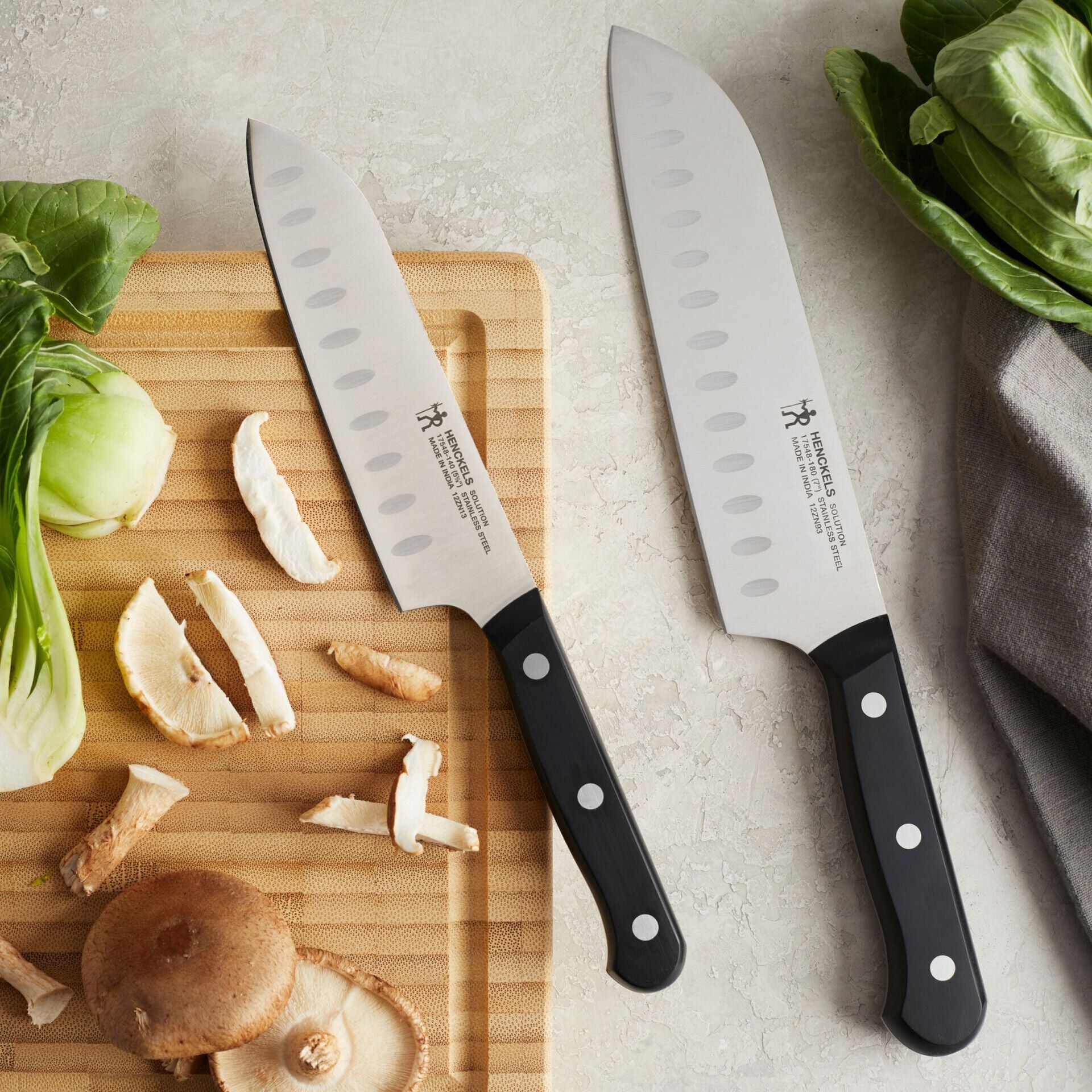
HENCKELS knives are ergonomically shaped for maximum comfort in the hand, making meal prep a breeze.




Forged Accent



Forged Accent